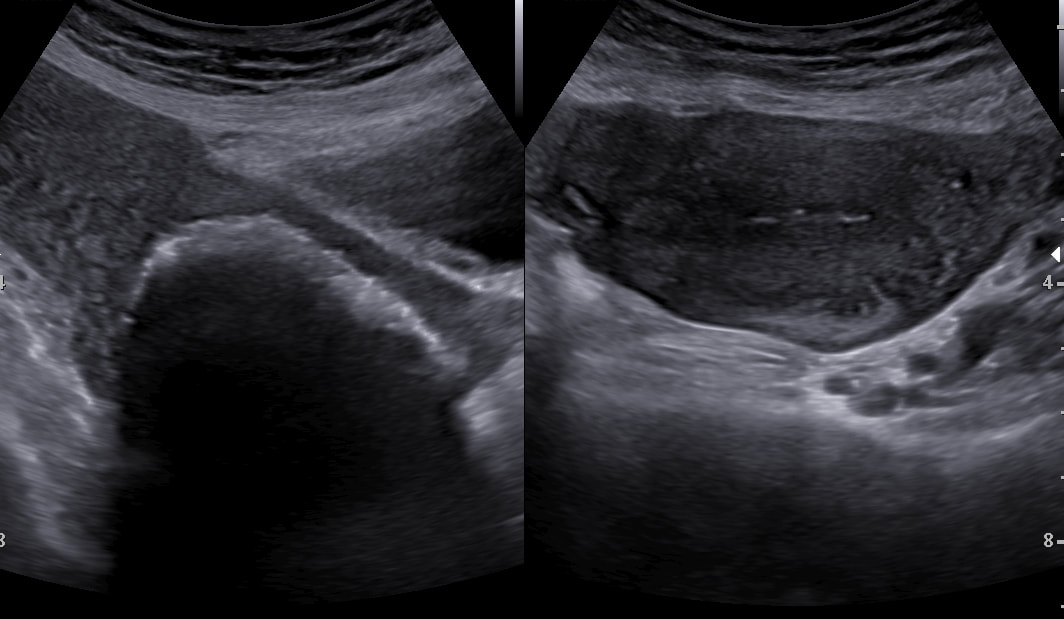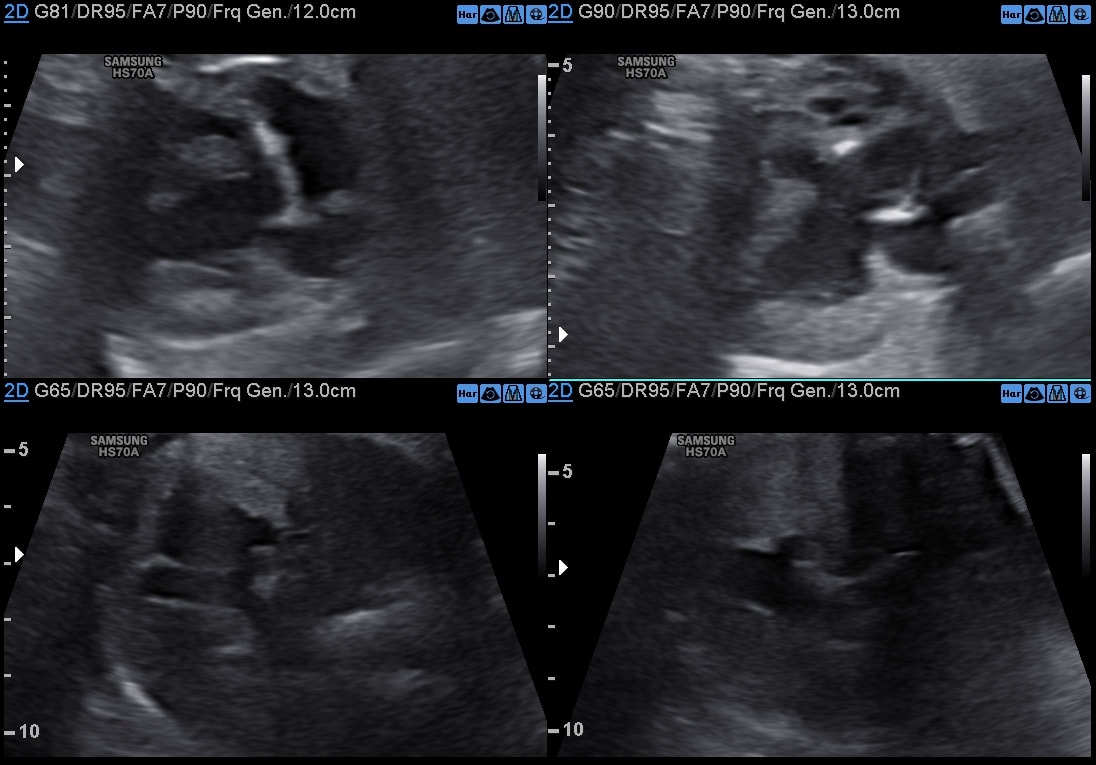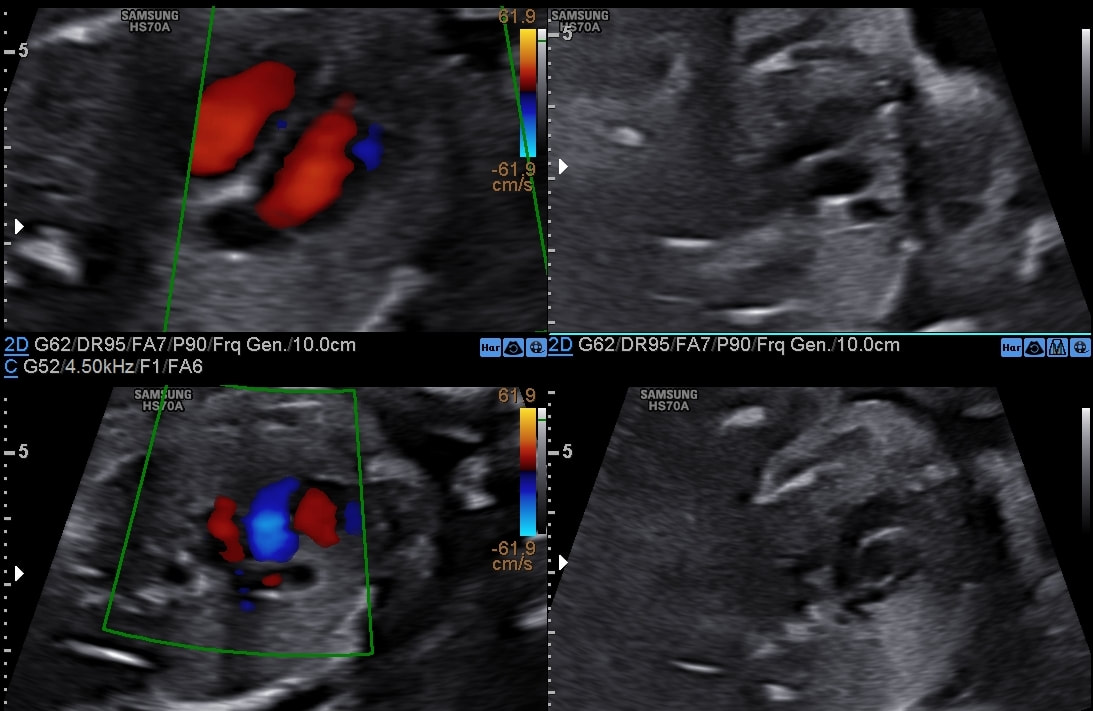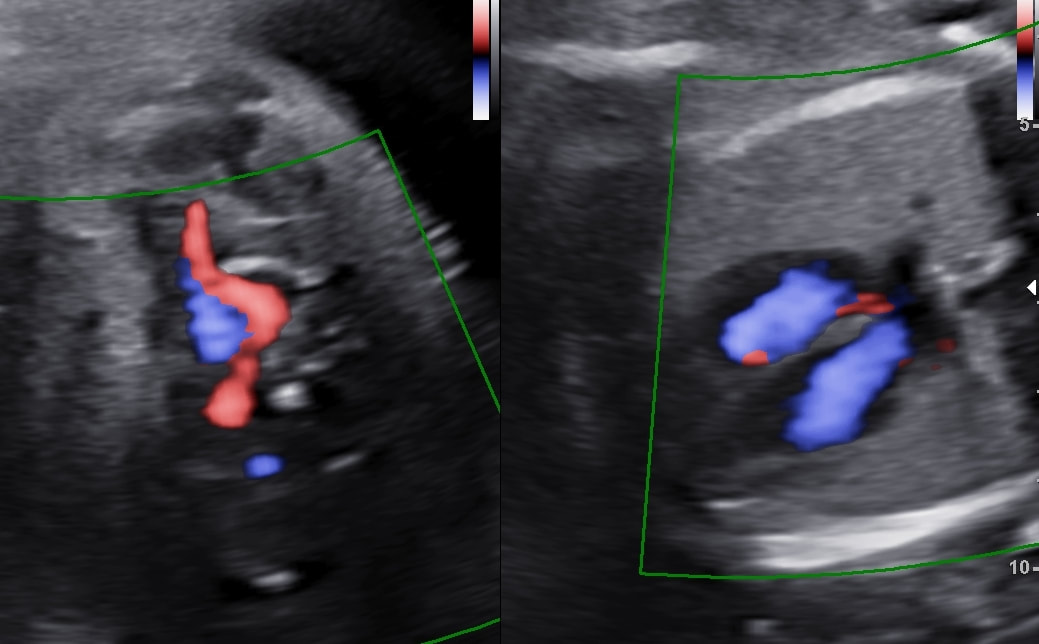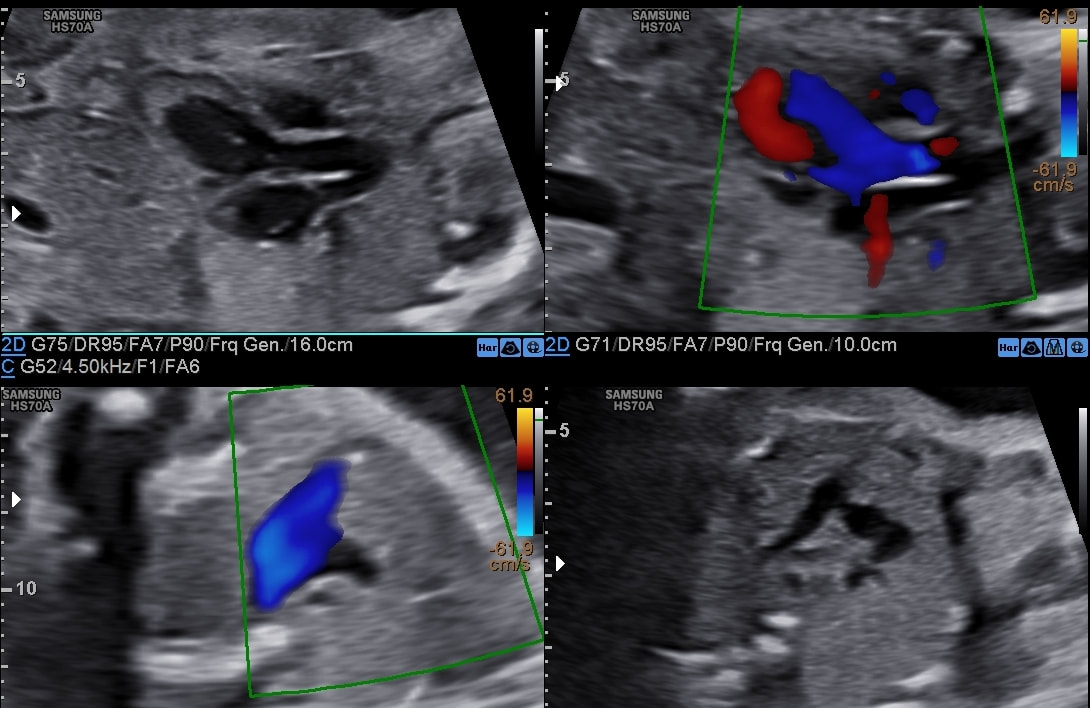
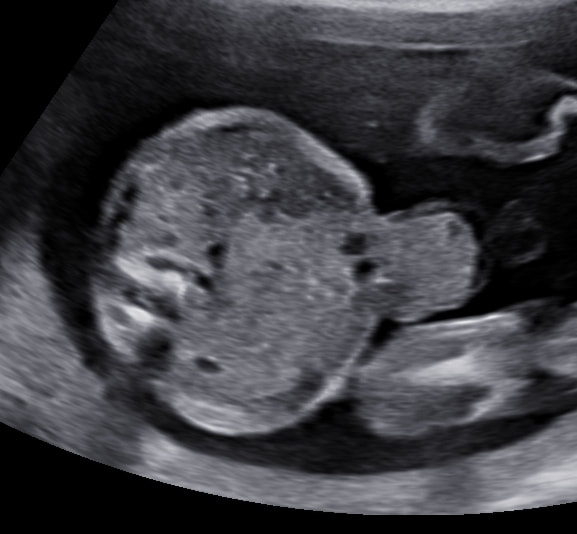
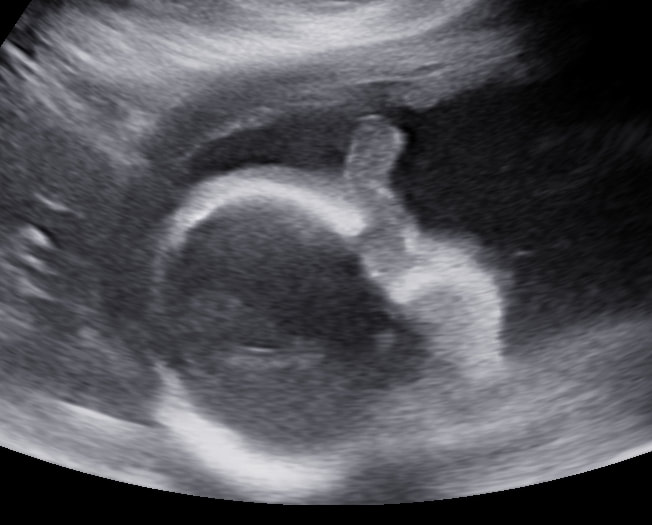
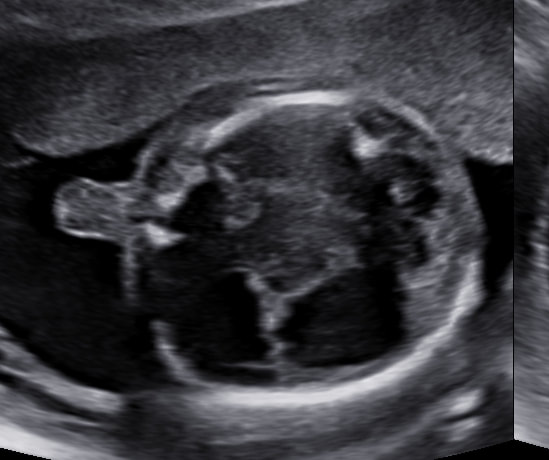
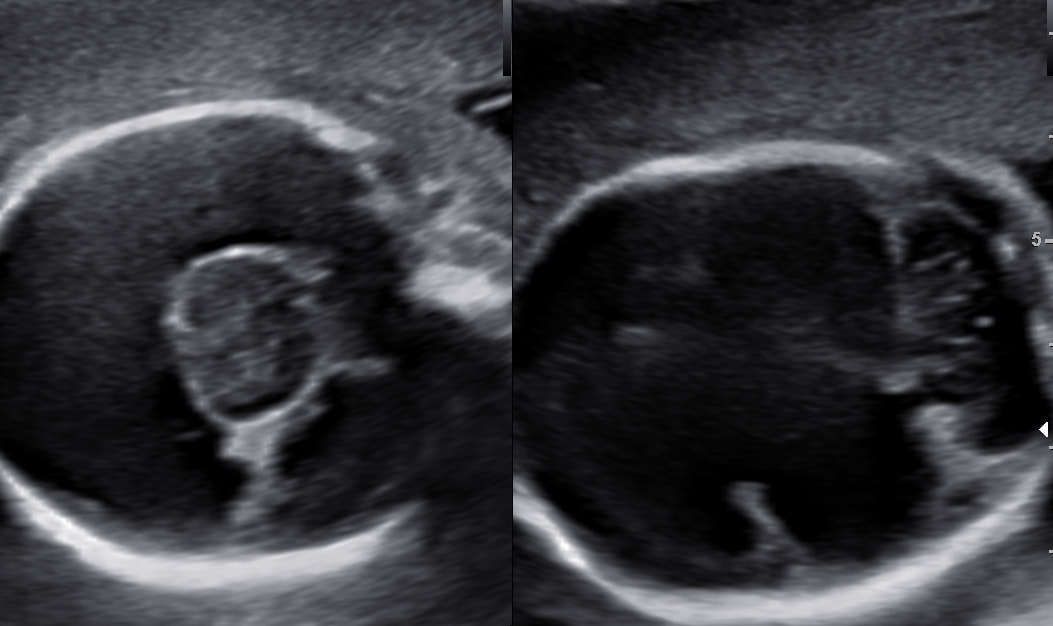
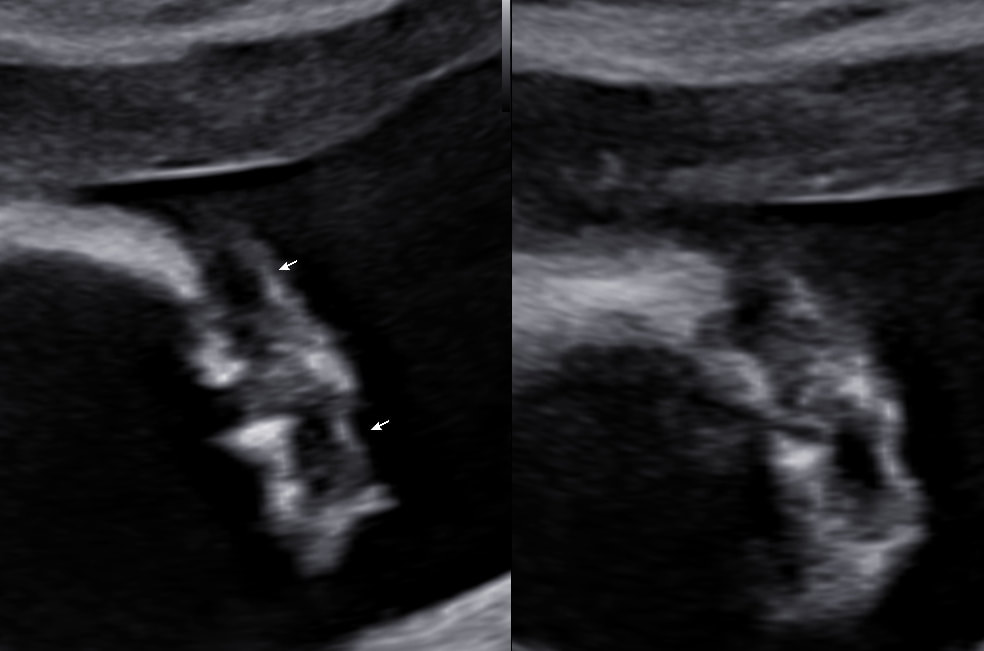
Findings:
1. Bilateral Femoral Hypoplasia
2. Micrognathia
3. Clubfoot/CTEV
Diagnosis : Femoral Hypoplasia with Unusual Facies Syndrome
Diagnosed By: Dr. Garima Goel
|
Ultrasound FWB at 15-16 weeks gestation
Findings: 1. Bilateral Femoral Hypoplasia 2. Micrognathia 3. Clubfoot/CTEV Diagnosis : Femoral Hypoplasia with Unusual Facies Syndrome Diagnosed By: Dr. Garima Goel
0 Comments
If you’re looking to improve your health and fitness, ASMI (Appendicular Skeletal Muscle Index) is a crucial metric to consider. ASMI measures the amount of muscle in your arms and legs relative to your height, offering a clear picture of your muscle mass and overall health. It’s an essential indicator of muscle strength and metabolic health.
What is ASMI?
Why ASMI Matters
How DEXA Scans Help DEXA scans (Dual-Energy X-ray Absorptiometry) are the most accurate way to measure ASMI. Unlike regular scales, DEXA scans break down your body composition into fat, lean mass, and bone density. It provides precise measurements of muscle in your arms and legs, allowing you to monitor changes in muscle mass over time. Benefits of Tracking ASMI with DEXA
Conclusion: Monitoring your ASMI with a DEXA scan is a powerful way to track muscle health and improve your overall fitness. It’s an essential tool for anyone looking to optimize their body composition and prevent muscle loss over time. In the world of health and fitness, understanding your body composition is key. One important measurement is the VAT/SAT ratio, which compares two types of fat: visceral adipose tissue (VAT) and subcutaneous adipose tissue (SAT).
Why is the VAT/SAT Ratio Important?
How DEXA Scans Help A DEXA scan (Dual-Energy X-ray Absorptiometry) is one of the most accurate ways to measure body fat. Unlike other methods, DEXA can specifically measure both visceral and subcutaneous fat, giving you a clear picture of your body composition. Benefits of Using DEXA to Track VAT/SAT:
Conclusion Your VAT/SAT ratio is a vital health metric. A DEXA scan is the most accurate way to measure and track this ratio, helping you make informed decisions about your health and fitness. Many people start taking vitamin D supplements when they feel their bones are getting weaker or after being told they might have “low bone density.”
While vitamin D plays a key role in calcium absorption and maintaining bone health, it’s not enough on its own to diagnose or treat bone weakness. Why Vitamin D Alone Is Not Enough ? Vitamin D deficiency can contribute to bone loss — but weak bones (osteopenia or osteoporosis) can also result from several other factors, including:
The Importance of a DEXA Scan A DEXA (Dual-Energy X-ray Absorptiometry) scan is the gold standard test for assessing bone mineral density (BMD). It measures how strong your bones are and classifies bone health into three main categories: Category T-Score Range Meaning Normal ≥ -1.0 Healthy bone density Osteopenia Between -1.0 and -2.5 Early bone loss (mild weakness) Osteoporosis ≤ -2.5 Significant bone loss, high fracture risk A DEXA scan helps your doctor determine how severe your bone weakness is — and therefore, which treatment plan is best for you. Treatment Options Based on DEXA Results 1. Normal Bone Density (T-score ≥ -1.0) Focus: Prevention Recommendations:
2. Osteopenia (T-score between -1.0 and -2.5) Focus: Slow or prevent further bone loss Recommendations:
3. Osteoporosis (T-score ≤ -2.5) Focus: Strengthen bones and reduce fracture risk Recommendations:
Key Takeaway Taking vitamin D alone is not a treatment for weak bones — it’s just one piece of the puzzle. The only way to understand the severity of bone weakness — and decide whether lifestyle changes are enough or if prescription medication is needed — is through a DEXA scan. If you suspect your bones are weak, don’t self-treat with supplements alone. Talk to your doctor about getting a DEXA scan and developing a personalized bone health plan. Whole Body DEXA scan is an advanced and precise method used for comprehensive body composition analysis, measuring fat mass, lean mass, and body bone mass throughout the entire body. Importantly, this scan is distinct from 3-site DEXA scan used for osteoporosis screening and diagnosis — whole body DEXA is not requested for osteoporosis, and thus, its utility is broader and serves many other medical, athletic, and health monitoring purposes.
What is a Whole Body DEXA Scan ? A whole body DEXA scan evaluates your body's composition by utilizing a very low dose of X-ray to create a detailed map of bone, muscle, and fat distribution. The scan is non-invasive, quick, and safe, making it accessible for repeated assessments when needed. Unlike 3-Site DEXA scan used for osteoporosis, the whole body scan provides a comprehensive picture, which is crucial for both clinical and non-clinical applications. Who Might Require a Whole Body DEXA Scan ? The whole body DEXA scan is highly valuable for diverse groups:
Advantages of Whole Body DEXA Compared to other imaging or assessment methods, whole body DEXA offers several advantages:
Limitations & Considerations Whole body DEXA should not be used if you are pregnant, or if you have had recent scans with contrast dye within the last week. Always inform your doctor of your medical history and recent imaging tests before booking an appointment. Conclusion Whole body DEXA scan is an indispensable tool for anyone seeking accurate, in-depth analysis of their body composition. It powers athletic, fitness, medical, and research insights for a variety of individuals, playing a key role in personalized health and wellness monitoring. A 3-Site DEXA Scan is an advanced imaging test designed to measure bone mineral density at three key locations in the body, typically the hip, lumbar spine, and forearm. This test is crucial for diagnosing bone health issues, primarily osteoporosis, and monitoring the effectiveness of related treatments. It is painless and non-invasive making it suitable for a wide range of individuals who may be at risk for bone loss or fractures.
What Is a 3-Site DEXA Scan? The 3-Site DEXA scan focuses on three strategic anatomical locations to provide a comprehensive overview of bone health. During the procedure, the patient lies on a padded table while a scanner passes over the hip, spine, and sometimes the forearm. These three sites are chosen because they are common areas for osteoporosis-related fractures, and the scan results deliver highly accurate estimates of bone mineral density. The procedure generally takes few minutes and requires little to no special preparations besides avoiding calcium supplements before the exam. Why Is the 3-Site DEXA Scan Important?
Who Should Get a 3-Site DEXA Scan? The test is recommended for people who may be at increased risk of bone loss, fractures, or osteoporosis. The following groups are prime candidates:
Preparing for the Test Most patients need only avoid taking calcium supplements 24 hours before the exam. Comfortable clothing free of metal accessories is recommended. Informing the technician of any recent contrast scans (e.g., barium or CT) is important to avoid interference with results. Conclusion A 3-Site DEXA scan is a vital, accessible test for early identification and management of bone health. By targeting the hip, spine, and forearm, it offers precision in evaluating osteoporosis risk and guiding treatment decisions. Individuals who fit any of the risk categories above should discuss the DEXA scan with their healthcare provider to help prevent fractures and maintain lifelong mobility. |
Copyrights © ShiviRadiology. All rights reserved.
Author Dr Ayush Goel
Categories
All
Subscribe To This Blog Archives Archives
December 2025
Disclaimer: The information on this BLOG is not intended or implied to be a substitute for professional medical advice, diagnosis or treatment. All content, including text, graphics, images and information, contained on or available through this blog is for medical education and enlightenment only.
While the goal of this blog is to provide complete, correct and accurate information, none of the authors/contributors can be made responsible for any incompleteness, incorrectness and inaccuracy. If you are a patient, please see your doctor for evaluation of your individual case. Under no circumstances will the authors be liable to you for any direct or indirect damages arising in connecting with the use of this blog. |